How to Brown Butter (and Know When to Stop)
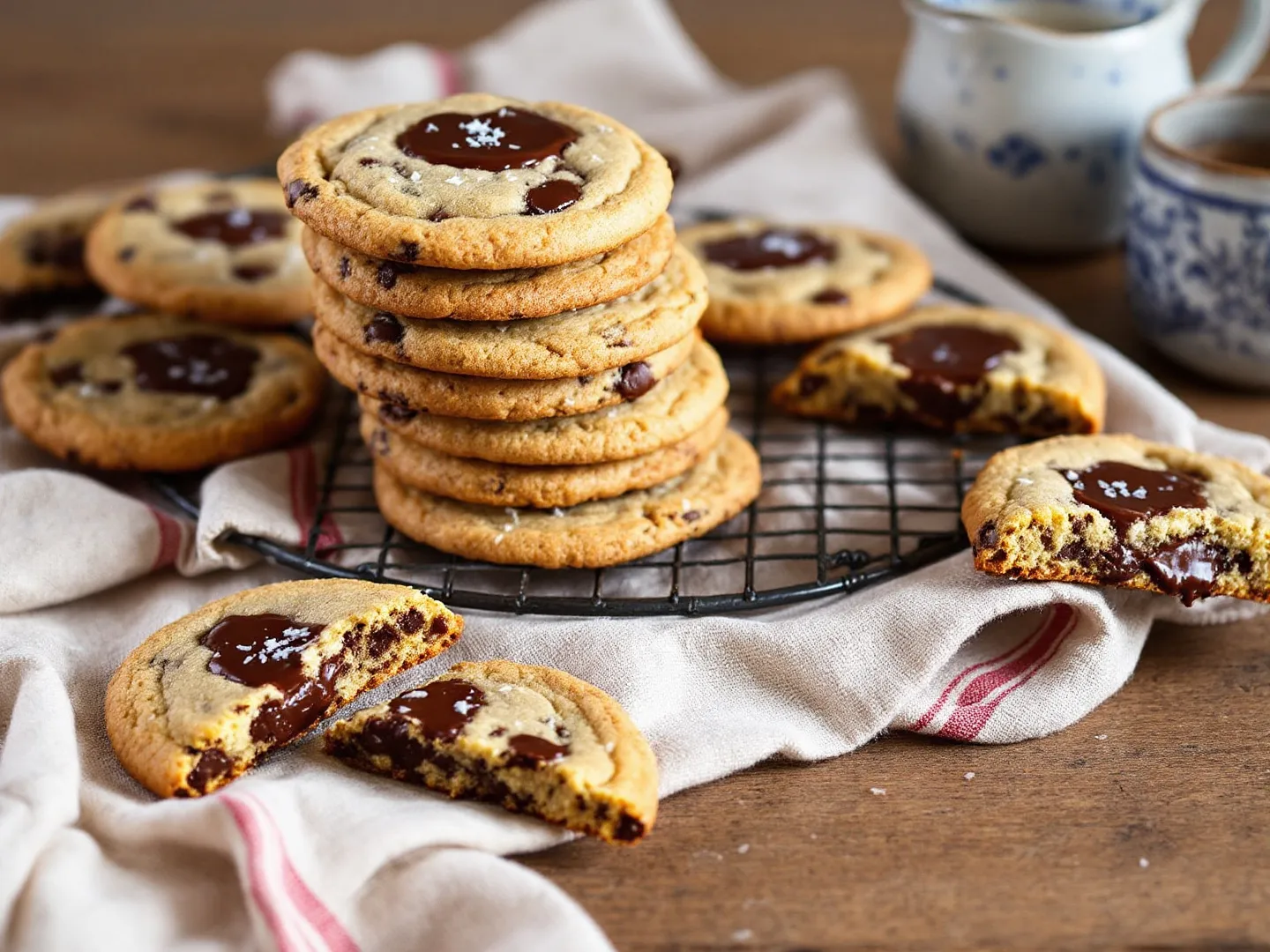
Brown butter is regular butter that went somewhere and came back with stories. Six minutes, one pan, and every cookie, cake and pan of vegetables you make after this tastes like you know something the neighbors don't.
The short version
Melt butter in a light-colored pan over medium heat, swirling, until it foams, goes quiet, and the specks on the bottom turn the color of a hazelnut shell. Pour it into a bowl right away, specks and all, so it stops cooking. Six to eight minutes, start to finish.
What brown butter is
Butter is roughly 80 percent fat, 15 percent water and a few percent milk solids (proteins and milk sugar). Once it melts, the water boils off, which is all that foaming and crackling. With the water gone, the temperature climbs past 212°F, and the milk solids sink to the bottom and toast in the hot fat. Those toasted bits are the brown specks, and that's where the flavor is: nutty, a little caramel, a little like toffee.
Because the water steams away, you lose about a fifth of the weight. One cup of butter becomes a scant cup of brown butter. In a pan sauce nobody will notice. In cookies and cakes that count on that moisture, it matters, so see the swap rules below.
What you need
- Unsalted butter, cut into tablespoon pieces so it melts evenly.
- A light-colored skillet or saucepan, stainless or pale enamel. A dark nonstick or cast-iron pan hides the color, and color is how you know when to stop.
- A heatproof spatula for scraping the bottom, where the specks collect.
- A heatproof bowl waiting next to the stove. This part is not optional.
How to brown butter, step by step
- Put the butter in the pan over medium heat. Not high. High heat scorches the specks on the bottom before the water is gone, and you get butter that's bitter in places and blond in others.
- Let it melt, then swirl the pan or stir with the spatula every 20 seconds or so, scraping the bottom and sides. It will foam up and crackle loudly. That's the water leaving.
- The crackling fades and the big foam settles into a layer of fine, tight bubbles. Now stay put. These 60 to 90 seconds are the whole job.
- Tilt the pan or push the foam aside to look at the bottom. When the specks are golden brown and the kitchen smells like toasted hazelnuts, it's done.
- Pour it into the waiting bowl immediately and scrape in every speck. The pan holds enough heat to carry it from brown to burnt while you look for a spoon.
The stages, and when to stop
| Stage | What you see | What you smell | Use it for |
|---|---|---|---|
| Melted | Clear yellow | Butter | Not brown butter yet. Keep going. |
| Foaming | Loud crackling foam | Warm milk | Still cooking off water. Keep swirling. |
| Golden | Quiet bubbles, specks tan | Toasted nuts | Sauces, vegetables, frosting, anywhere you want it subtle. |
| Brown | Specks the color of a hazelnut shell | Toffee, caramel | Cookies, banana bread, blondies, cakes. The sweet spot. |
| Black butter | Specks dark brown, almost black | Sharp, roasty | Only on purpose, for fish with vinegar and capers. Pull it the second it gets there. |
| Burnt | Specks truly black and the butter cloudy | Acrid | Start over. There's no saving it. |
Using it in a recipe
For cookies and bars, cool the brown butter until it's soft-set, like room-temperature butter (about 30 minutes on the counter or 15 in the fridge, stirring once). Cream it like regular butter. If the recipe calls for melted butter, just let it cool to warm. Either way, add 1 tablespoon of milk or water per stick to replace the water that steamed off, or the cookies spread less and come out dry. That's how brown butter chocolate chip cookies and brown butter blondies with a crackly top get their toffee edges without going cakey.
For quick breads and cakes, use it warm in place of melted butter, with the same tablespoon of liquid per stick. brown butter banana bread is the easiest place to start.
For vegetables, pasta and fish, use it hot. Toss it with roasted butternut squash with brown butter and sage or green beans, spoon it over fish, or toss it with buttered noodles and grated Parmesan for a ten-minute dinner. A pinch of salt makes the nutty flavor jump.
Want more specks? Whisk 1 tablespoon of nonfat dry milk powder into each stick as it melts. More milk solids means more toasty bits and a deeper flavor, which is lovely in cookies and frosting.
Five things to stir in at the end
Add any of these in the last 30 seconds, once the specks are golden, then pour it out as usual.
- Sage, thyme or rosemary leaves. They sizzle and crisp in a few seconds. Sage and brown butter over squash or ravioli is a classic for a reason.
- Chopped nuts. Hazelnuts, pecans, almonds or pine nuts, a couple of tablespoons per stick. They toast right along with the butter.
- Lemon juice or sherry vinegar. A teaspoon or two, off the heat, for fish and vegetables. It will spit, so stand back.
- Capers and parsley. For fish. Take the butter a shade darker first, then add a splash of vinegar, the capers and a handful of parsley.
- A spoonful of mustard. Whisked in off the heat, for pork chops or roasted potatoes.
Common mistakes
- Walking away during the quiet part. Once the crackling stops, butter goes from brown to burnt in about 30 seconds.
- Cranking the heat to save time. It saves a minute and costs you the batch. Medium heat browns the specks evenly.
- Using a dark pan. You can't see the specks, so you go by smell, and by the time you smell it, it's often too late.
- Leaving it in the pan. Even off the burner, the pan keeps cooking it. Pour it out.
- Straining out the specks. Unless a recipe asks for clear butter, keep them. They are the flavor.
- Forgetting the lost water in baking. Add back a tablespoon of liquid per stick, or the dough is drier than the recipe expects.
Storing brown butter
Brown butter keeps warm on the back of the stove for about 15 minutes. After that, move it to a covered jar: it lasts up to 2 weeks in the fridge and 3 months in the freezer, and it firms up like regular butter. Stir before using so the specks are spread through. Make a double batch on the weekend and you're one step ahead on every cookie recipe for a month.
Questions, answered
Can I brown salted butter?
Yes, but it foams more, which makes the specks harder to see. Use unsalted if you have it, and cut the salt in the recipe a little if you use salted.
How long does it take to brown butter?
About 6 to 8 minutes for 1 or 2 sticks over medium heat. Bigger batches take a few minutes longer because there's more water to cook off.
My brown butter tastes bitter. What happened?
The specks went past brown, which only takes seconds. Next time, pull it when they're the color of a hazelnut shell and pour it out of the pan right away.
Can I brown butter in the microwave?
You can, in 1-minute bursts in a deep bowl loosely covered, but it splatters and browns unevenly. The stove is easier to control and only takes a few minutes more.
Do I need to replace the water in a recipe?
For cookies, cakes and quick breads, yes. Add 1 tablespoon of milk or water for every stick you brown. For sauces and vegetables, no.
Published November 9, 2026.