Cooking guides / Kitchen basics
Baking Substitutions Chart (Eggs, Butter, Buttermilk and More)
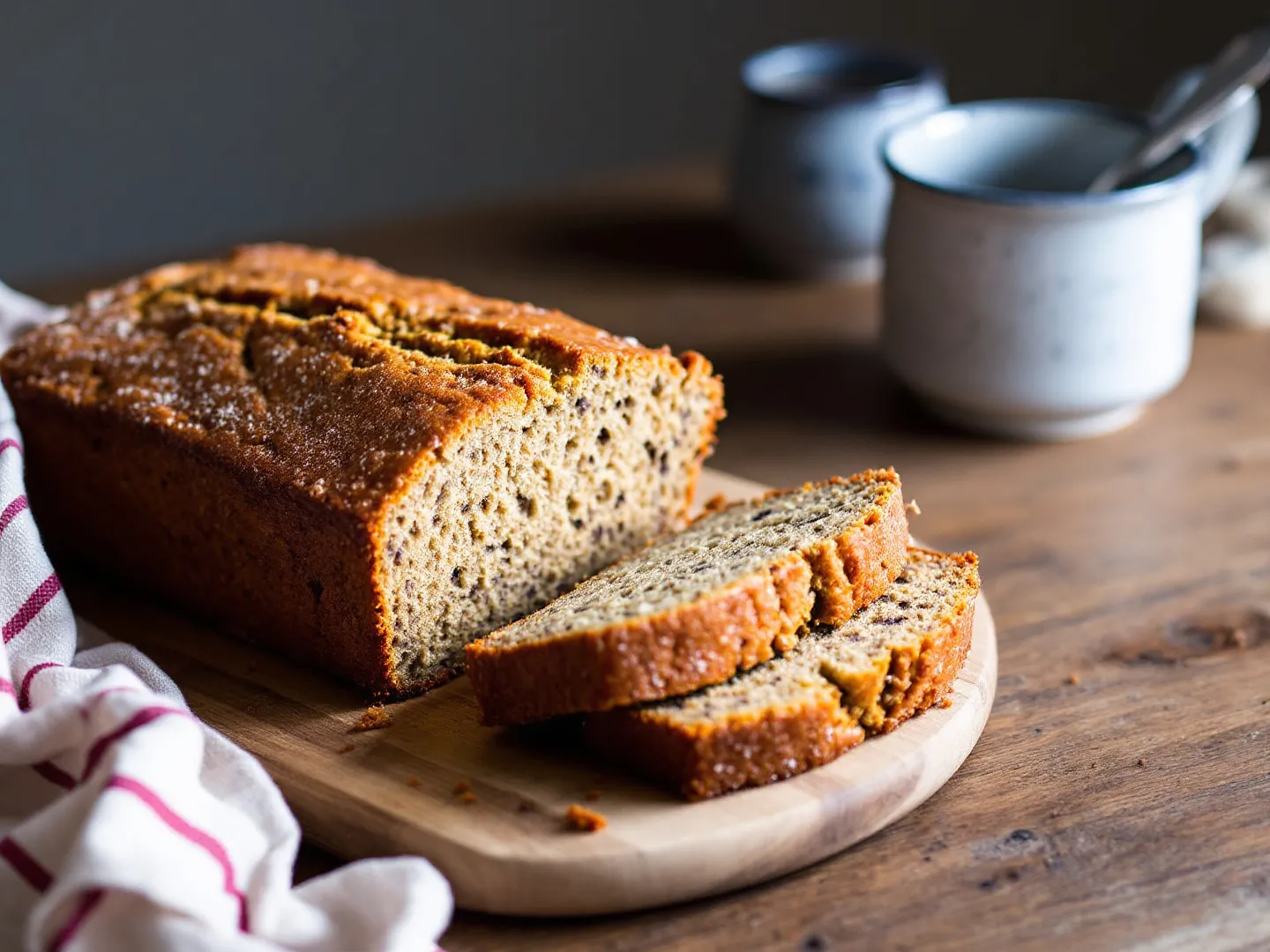
It's 9 p.m., the banana bread is half mixed, and the brown sugar has turned into a single decorative brick. Before anyone gets sent to the store in slippers, check the chart.
The short version
Most baking swaps work if you match what the missing ingredient was doing, whether that's fat, acid, lift, moisture or structure. Make one swap per recipe, measure carefully, and expect small changes in texture and browning. Leaveners and eggs in cakes are the touchy ones, so stay close to the ratios below.
How to think about a swap
Every ingredient in a batter has a job. Butter brings fat and flavor and, when creamed, traps air. Eggs bind, add moisture and help things rise. Buttermilk brings acid that wakes up baking soda. Brown sugar brings moisture and a little acid from its molasses. When you substitute, you're hiring someone new for that job, so pick the stand-in that does the same work.
Two rules keep you out of trouble. First, make only one swap per recipe; two or three at once and you can't tell what went wrong. Second, quick breads, muffins, pancakes and brownies forgive almost anything, while layer cakes, angel food and delicate cookies forgive very little. Practice on brown butter banana bread, not on a birthday cake.
The substitution chart
| Out of | Use instead (per amount) | What changes |
|---|---|---|
| 1 large egg | 1/4 cup applesauce, mashed banana or plain yogurt | Denser, moister crumb. Best in muffins and quick breads. |
| 1 large egg | 1 tbsp ground flaxseed + 3 tbsp water, rested 10 minutes | Binds well, adds little lift. Good in cookies and muffins, not cakes. |
| 1 large egg white | 3 tbsp liquid from a can of chickpeas | Whips almost like egg white. Works in meringue-style recipes. |
| 1 cup butter (melted) | 3/4 cup neutral oil | Softer, moister, less buttery. Fine where the recipe melts the butter. |
| 1 cup butter (creamed) | 1 cup vegetable shortening | Taller, paler cookies with less flavor. Add a pinch more salt. |
| 1 cup oil | 1 cup plus 2 tbsp melted butter | Richer flavor, slightly firmer once cool. |
| 1 cup buttermilk | 1 tbsp lemon juice or white vinegar plus milk to make 1 cup, rested 10 minutes | Thinner and milder, but the acid still works with baking soda. |
| 1 cup buttermilk | 3/4 cup plain yogurt + 1/4 cup milk | Closest in thickness and tang. The best all-round stand-in. |
| 1 cup packed brown sugar | 1 cup white sugar + 1 tbsp molasses (2 tbsp for dark) | Practically identical once mixed well. |
| 1 cup packed brown sugar | 1 cup white sugar | Crisper, paler cookies with a little less flavor. |
| 1 cup cake flour | 1 cup all-purpose flour minus 2 tbsp, plus 2 tbsp cornstarch, sifted twice | Close to the real thing. Slightly less tender. |
| 1 cup self-rising flour | 1 cup all-purpose flour + 1 1/2 tsp baking powder + 1/4 tsp salt | Same result. Whisk well so the leavening is even. |
| 1 tsp baking powder | 1/4 tsp baking soda + 1/2 tsp cream of tartar | Acts fast. Bake right after mixing. |
| 1/4 tsp baking soda | 1 tsp baking powder | Works in a pinch but browns less and can taste flat. Use as a last resort. |
| 1 cup sour cream | 1 cup full-fat plain Greek yogurt | A little tangier and leaner. Very close in cakes and quick breads. |
| 1 cup milk | 1/2 cup evaporated milk + 1/2 cup water | Slightly richer and a touch more browning. |
| 1 cup milk | 1 cup unsweetened soy or oat milk | Nearly the same. Sweetened versions make things sweeter and darker. |
| 1 cup heavy cream (for baking or sauce) | 3/4 cup whole milk + 1/4 cup melted butter | Fine for batters and pan sauces. It will not whip. |
| 1 cup light corn syrup | 1 cup honey or golden syrup | Browns faster and tastes of honey. Lower the oven 25°F if baking. |
| 1 oz unsweetened chocolate | 3 tbsp natural cocoa + 1 tbsp butter or oil | Same chocolate punch, a little less silky. |
| 1 oz semisweet chocolate | 1/2 oz unsweetened chocolate + 1 tbsp sugar | Close. A bit less smooth when melted. |
Eggs, the hardest one to replace
Eggs do three jobs at once: they bind, they add water, and their proteins set into structure that holds air. Fruit purées and yogurt cover moisture and some binding, which is why they're great in muffins and banana muffins with a sugar crust. Flax covers binding. Nothing in the pantry covers all three, so don't replace more than two eggs in any recipe, and skip egg swaps entirely in sponge cakes, custards and anything where eggs are the point.
If a recipe calls for 2 eggs and you have 1, beat the one egg and use it with 1/4 cup of yogurt or applesauce. Half the real thing does most of the work.
Butter, oil and the creaming problem
Butter is about 80 percent fat and 15 percent water, so oil is the stronger fat; that's why you use less of it. The bigger difference is air. Creaming solid butter with sugar beats in tiny bubbles that help cookies and cakes rise. Oil can't hold those bubbles, so only swap oil for butter in recipes that already melt the butter, like brownies, quick breads and bakery-style blueberry muffins with lemon.
For cookies like brown butter chocolate chip cookies, butter is the flavor and the texture. Shortening keeps them puffy; oil makes them flat and greasy. If you're out of butter, it's a better night for brownies.
Leaveners, the ones that don't forgive
Baking soda needs an acid (buttermilk, yogurt, brown sugar, natural cocoa) to make gas. Baking powder is soda with its own acid already mixed in. That's why swapping one for the other isn't one to one: soda is roughly three to four times stronger. Too much leavening tastes soapy or metallic and can make cakes rise, then sink.
Test old leaveners before you blame the recipe. Stir 1/2 teaspoon of baking powder into hot water, or 1/4 teaspoon of baking soda into a spoonful of vinegar. Lots of fizz means it's good. A lazy fizz means buy new. Both lose strength within about 6 months of opening.
Common mistakes
- Making three swaps in one recipe. One change at a time, so you know what to keep next time.
- Measuring flour by scooping. A packed cup can weigh 25 percent more than a spooned one. Spoon and level, or weigh: 1 cup of all-purpose flour is about 125 grams.
- Swapping oil into a creamed recipe. No air, no rise. Save oil for recipes that melt the butter.
- Using fat-free yogurt or sour cream. The fat is part of the tenderness. Use full-fat when you swap.
- Forgetting that honey browns. Swap in honey or maple and your loaf darkens early. Lower the heat a little and tent with foil.
Questions, answered
Can I use baking powder instead of baking soda?
In a pinch, use about 3 times as much baking powder as the soda called for. It works, but browning is lighter and the flavor can be flat. Buy soda before a recipe that depends on it.
What can I use instead of eggs in baking?
For each egg, use 1/4 cup applesauce, mashed banana or plain yogurt, or 1 tablespoon ground flax mixed with 3 tablespoons water. Replace no more than two eggs.
Can I substitute oil for butter in baking?
Yes, in recipes that use melted butter. Use 3/4 cup oil for every cup of butter. Don't do it in recipes that cream the butter with sugar.
How do I make cake flour?
Measure 1 cup of all-purpose flour, take out 2 tablespoons, add 2 tablespoons of cornstarch, and sift twice.
How do I make self-rising flour?
Whisk 1 cup of all-purpose flour with 1 1/2 teaspoons baking powder and 1/4 teaspoon salt.
Published November 9, 2026.