Cooking guides / Kitchen basics
How to Season Cast Iron (and Keep It That Way)
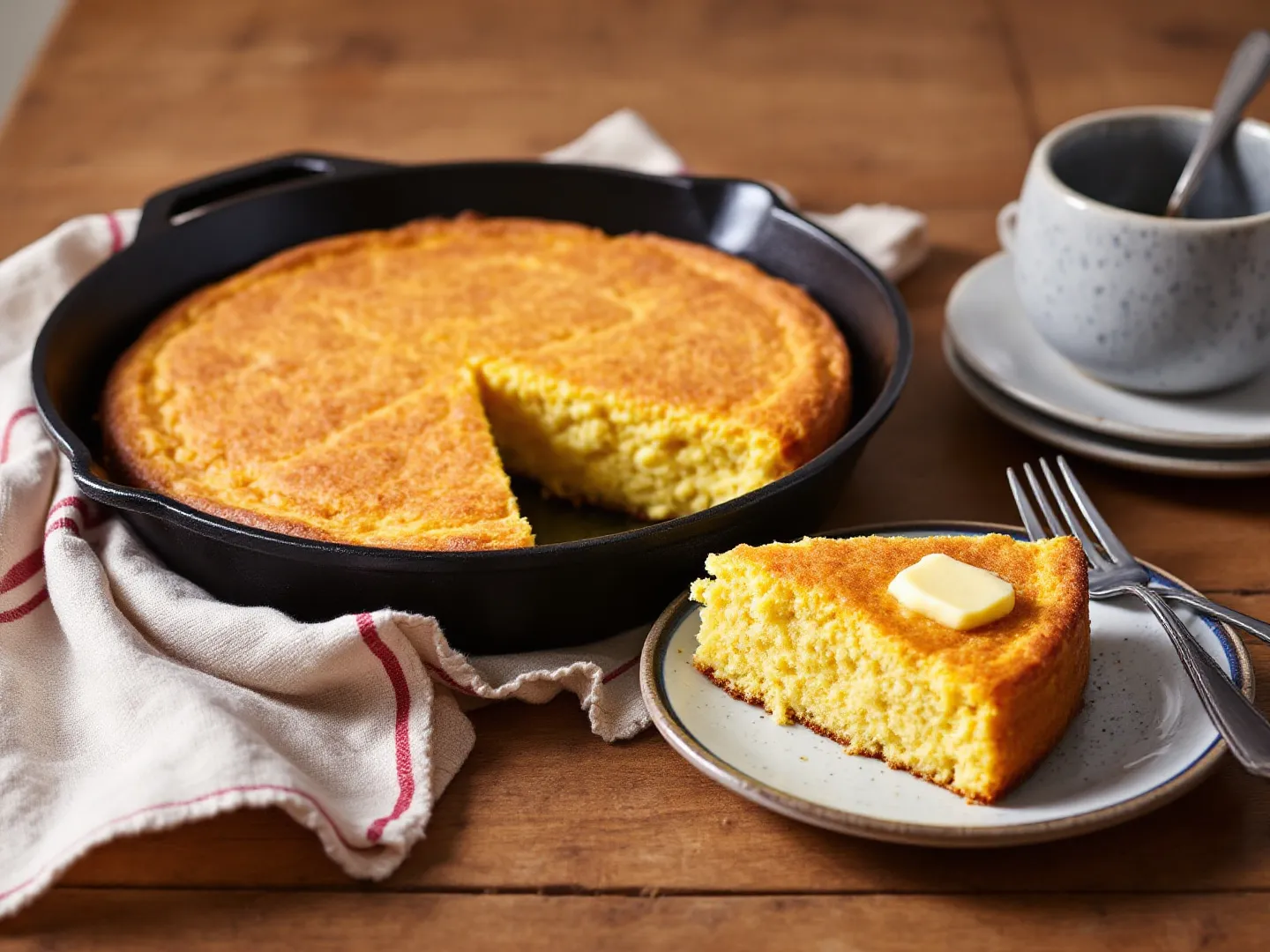
Nonna's skillet is older than Uncle Sal, heavier than Biscotti, and has never once been in a dishwasher. It isn't magic. It's oil, heat, and about seventy years of somebody wiping it dry.
The short version
Rub the clean, dry pan with a very thin coat of neutral oil, wipe off as much as you can, and bake it upside down at 450°F for an hour; repeat three or four times for a new or stripped pan. After cooking, wash it while warm (a little soap is fine), dry it on the burner, and wipe in a few drops of oil. Cook in it often and the seasoning builds itself.
What seasoning is
Seasoning isn't a flavor. It's a thin layer of oil that's been heated past its smoke point until it bonds to the iron and hardens into a slick, dark coating, a bit like a natural varnish. Each layer fills in the tiny pits in the metal. Stack enough layers and eggs slide, cornbread releases, and the pan stops rusting.
Most skillets now come pre-seasoned, which gives you a decent start. A few rounds in the oven, plus a few weeks of frying bacon and searing steak, turn that start into the real thing.
How to season cast iron in the oven
- Heat the oven to 450°F. Put a sheet of foil or a sheet pan on the lower rack to catch drips.
- Wash the pan with warm, soapy water and scrub off any rust or crust. Dry it with a towel, then set it on a burner over medium heat for a few minutes until every bit of moisture is gone.
- Pour in about 1 teaspoon of neutral oil with a high smoke point (vegetable, canola, sunflower, or melted shortening). Rub it over every surface, inside, outside and the handle.
- Now wipe it all off with a clean, lint-free cloth, as if you used too much by mistake. The pan should look dry and barely glossy, not wet. Too much oil is what makes seasoning sticky.
- Set the pan upside down on the upper rack and bake for 1 hour. It will smoke a little; turn on the fan.
- Turn off the oven and leave the pan inside to cool completely. For a new, stripped or rusty pan, repeat steps 3 to 6 three or four times.
Everyday care after cooking
Clean it while it's warm. Rinse under hot water and scrub with a stiff brush or a chain-mail scrubber. A drop of dish soap is fine. Modern soap won't strip polymerized seasoning; the old rule came from lye soap. For stuck-on bits, scrub with a tablespoon of coarse salt and a splash of oil, or simmer a little water in the pan for a minute and scrape.
Dry it on the stove. Towel it off, then set it over medium-low heat until the last of the water steams away. This is the step that prevents rust.
Oil it lightly. While it's warm, wipe in 1/2 teaspoon of oil with a paper towel and buff until it looks dry. Let it sit on the heat another minute, then cool and store it with the lid off, or with a paper towel inside if you stack pans.
Cook in it. Searing, shallow frying and baking build seasoning fastest. Make buttermilk skillet cornbread, smash burgers with crispy edges and cast iron pan-seared steak with garlic butter in a newer pan before you try eggs.
Fixing problems
| Problem | Why it happened | The fix |
|---|---|---|
| Orange rust spots | Left wet or stored damp | Scrub to bare metal with steel wool, wash, dry on the burner, then do two or three oven rounds. |
| Rust all over | Soaked or left outside | Soak in half white vinegar and half water for up to 1 hour, checking every 15 minutes, then scrub, rinse and reseason right away. |
| Sticky or tacky surface | Too much oil that never fully hardened | Bake upside down at 450°F for 1 hour. If still sticky, scrub it back and reseason with thinner coats. |
| Black flakes in food | Old buildup or carbon flaking off | Harmless. Scrub the loose spots off and reseason that area. |
| Food sticks | Thin seasoning or pan not hot enough | Preheat 5 minutes, use a little more fat, and cook fatty foods for a few weeks. |
| Dull gray patch | Acidic food stripped the seasoning | Wash, dry, oil and heat until it smokes lightly. Done. |
Common mistakes
- Leaving it to soak. Even an hour in the sink starts rust. Wash it right after dinner.
- Running it through the dishwasher. It will come out bare and orange.
- Oiling it like a salad. Thick coats turn gummy. Thin, then wipe off.
- Shocking it. Cold water into a screaming-hot pan can crack the iron. Let it cool for a few minutes first.
- Long simmers of tomato sauce or wine in a new pan. Acid lifts young seasoning and can taste metallic. A well-seasoned pan handles a 20-minute pan sauce; save the all-day chili for the enameled pot.
- Storing food in it. Leftovers go in a container. Moisture and acid sitting overnight undo your work.
What to cook in it first
Anything with fat. Bacon, fried potatoes, crispy shredded hash browns and crispy cornmeal fried green tomatoes all leave a little oil behind and build the coating with every batch. A dutch baby with lemon and powdered sugar in a hot buttered skillet is a good test: if it puffs and slides out clean, the pan is ready for eggs.
Questions, answered
What is the best oil to season cast iron?
Any neutral oil with a high smoke point works, like vegetable, canola, sunflower or shortening. Flaxseed builds a hard coat but tends to flake. Thin coats matter more than the oil you pick.
Can you use soap on cast iron?
Yes. A little dish soap won't hurt seasoning that has been properly baked on. Just don't soak the pan or leave it wet.
How often should I season cast iron?
If you cook in it every week and oil it lightly after washing, almost never. Do a full oven round when it looks dull, gray or rusty.
What temperature do you season cast iron at?
Between 450°F and 500°F, for 1 hour, upside down, then let it cool in the oven.
Published November 9, 2026.