Cooking guides / Kitchen basics
How to Freeze Casseroles (and Reheat Them Right)
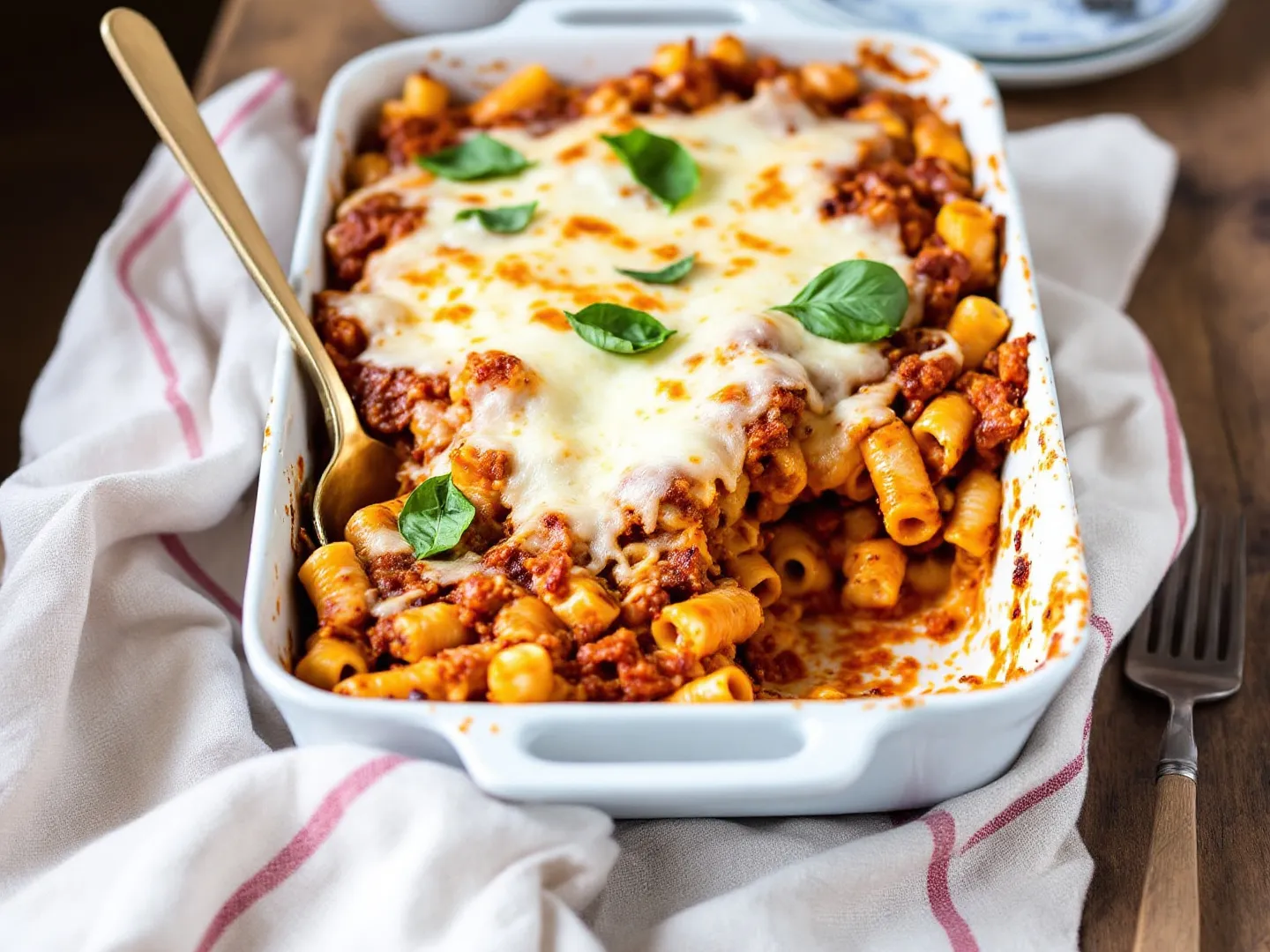
Every family has a freezer full of foil pans with no labels, and every family has a cousin who swears the mystery one is lasagna. It is never lasagna. Cousin Tina, it is never lasagna.
The short version
Assemble the casserole, cool it quickly, wrap it tightly in plastic and then foil, and label it with the name, date and baking directions. It keeps best for 2 to 3 months. Thaw overnight in the fridge and bake until the center reaches 165°F, or bake from frozen, covered, for about twice as long.
What freezes well, and what doesn't
| Freezes well | Freezes badly | Why |
|---|---|---|
| Pasta bakes like ziti, lasagna, stuffed shells | Fully cooked soft pasta | Undercook pasta by 2 minutes before assembling so it doesn't go mushy. |
| Enchiladas, tamale pie, taco bakes | Fresh toppings like lettuce and tomato | Add fresh things after reheating. |
| Shepherd's pie, cottage pie, mashed-potato tops | Raw or diced cooked potatoes | Chunks of potato turn grainy and watery. Mashed potatoes freeze fine. |
| Chicken and rice, chicken divan, tuna noodle | Crunchy toppings | Crackers, fried onions and breadcrumbs go soggy. Add them before baking. |
| Breakfast casseroles and stratas | Hard-boiled egg whites | They turn rubbery and weepy. |
| Cheese, cream or flour-thickened sauces | Mayonnaise-heavy or thin dairy sauces | They split when thawed. Flour or cheese keeps sauces stable. |
Bake first, or freeze it raw?
For most casseroles, assemble everything, don't bake it, and freeze. It only gets cooked once, so the pasta stays firmer and the cheese browns fresh. That's the move for baked ziti with ricotta and three cheeses, classic meat lasagna with ricotta, ricotta stuffed shells in marinara and chicken enchiladas with homemade red sauce.
Bake it first when it has a raw egg custard that needs to set, or when you're freezing leftovers. Either way, the filling should already be cooked: raw meat goes into a freezer casserole only if it's fully cooked first.
How to freeze a casserole, step by step
- Pick the pan. Disposable foil pans are easiest. To keep your baking dish free, line it with foil, leaving a long overhang, assemble, freeze solid, then lift the block out, wrap it, and put it back in the same dish to bake later.
- Cool it fast. Hot food should go into the fridge within 2 hours of cooking. Spread fillings out to cool quickly, then chill the assembled casserole until cold all the way through before freezing.
- Wrap it twice. Press plastic wrap right onto the surface so there's no air, then cover tightly with heavy-duty foil. If the top is tomato sauce, put parchment between the sauce and the foil; acid eats tiny holes in foil.
- Label it. Write the name, the date, the oven temperature, the time, and whether to thaw first. Future you will be tired and hungry.
- Freeze it flat on a shelf at 0°F or colder, with space around it so it freezes quickly. Stack it only once it's solid.
How long casseroles keep
Food held at 0°F stays safe indefinitely, but flavor and texture slowly fade, and freezer burn sets in at the edges. These are times for best quality.
| Casserole | Best within |
|---|---|
| Pasta bakes, lasagna, stuffed shells | 3 months |
| Enchiladas, tamale pie | 3 months |
| Shepherd's pie, cottage pie | 3 months |
| Chicken, rice and cream-sauce casseroles | 2 to 3 months |
| Breakfast casseroles with eggs | 2 months |
| Baked leftovers | 2 to 3 months |
Thawing and reheating
Thaw in the fridge. A 9-by-13 casserole needs 24 to 48 hours. Never thaw on the counter, where the outside sits warm for hours while the middle is still frozen. Once thawed, bake it within 1 to 2 days.
Or bake straight from frozen. Take off the plastic, keep the foil on, and bake at 350°F. Count on roughly double the normal time. Uncover for the last 15 to 20 minutes to brown the top. Glass and ceramic dishes can crack when they go from freezer to hot oven, so let them sit out for 20 minutes or put them in while the oven heats.
Check the middle, not the edges. An instant-read thermometer in the center should read 165°F. Bubbling edges mean nothing if the middle is cold. Let it rest 10 to 15 minutes before cutting so it holds together.
| 9-by-13 casserole | Oven | Covered | Uncovered |
|---|---|---|---|
| Thawed | 350°F | 30 to 45 minutes | 15 minutes |
| Frozen | 350°F | 75 to 90 minutes | 15 to 20 minutes |
| Single portion (thawed) | Microwave | 3 to 5 minutes, stirring or rotating halfway | None |
Common mistakes
- Freezing it warm. It warms everything around it and forms big ice crystals. Chill it first.
- Skimping on wrap. One loose layer of foil means freezer burn in a month. Plastic against the surface, then foil.
- No label. You will not remember. Nobody remembers.
- Testing the edges. Use a thermometer in the center, every time.
- Reheating more than once. Reheat only what you'll eat. Freeze in smaller pans or portions if you're cooking for one or two.
Questions, answered
Is it better to freeze a casserole cooked or uncooked?
Uncooked, for most pasta, enchilada and potato-topped casseroles. The fillings should be cooked; the casserole gets baked only once, so it tastes fresher.
How long can you keep a casserole in the freezer?
It stays safe indefinitely at 0°F, but for best taste eat it within 2 to 3 months.
Can you bake a frozen casserole without thawing it?
Yes. Bake it covered at 350°F for about twice the usual time, uncover to brown, and check that the center reaches 165°F.
Can you put a frozen glass dish in the oven?
Not straight into a hot oven; sudden heat can crack it. Let it stand 20 minutes, or put it in the cold oven and let them heat up together.
Published November 9, 2026.