How to Soften Butter Quickly (and What Softened Means)
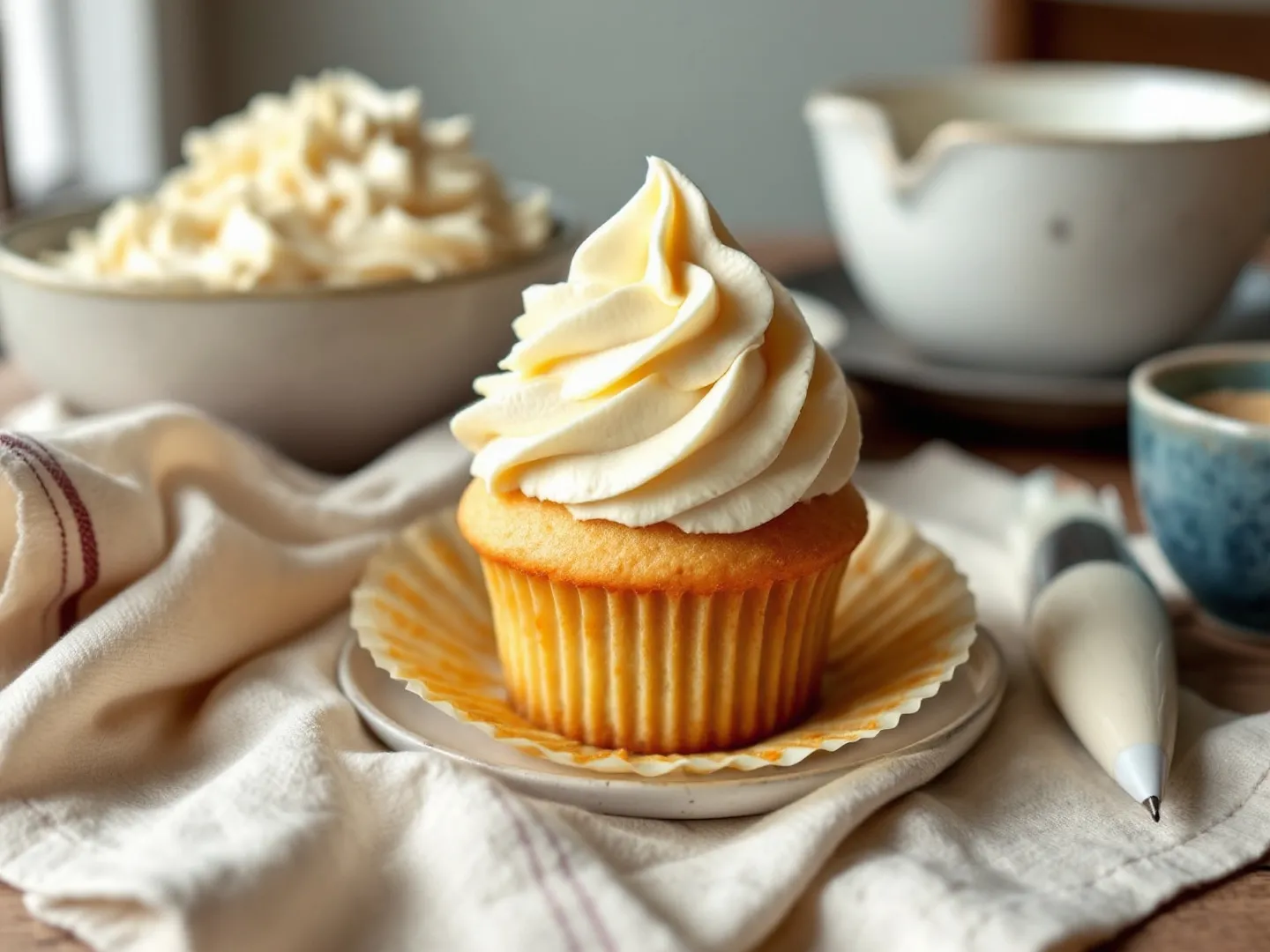
Every recipe says to start with softened butter, and every recipe assumes you remembered an hour ago. You didn't. Nobody did. Here's how to get there in fifteen minutes without melting the plot.
The short version
Softened butter is cool, about 65°F, and dents under a firm finger without feeling greasy. The fastest reliable way is to cut cold butter into small cubes and spread them on a plate for 10 to 15 minutes, or grate it. Skip the microwave unless you use short bursts at low power.
What "softened" means
Softened butter is not soft. It's cool to the touch, somewhere between 63°F and 68°F, and it bends without cracking. Press it with a finger and you leave a clean dent, but your finger doesn't sink through or come away shiny. A stick will bend a little if you hold it by the ends.
That narrow range matters because of what creaming does. Beating butter with sugar forces in thousands of tiny air bubbles, and the sugar crystals cut pockets into the fat to hold them. Those bubbles are a big part of what makes cookies and cakes rise. Butter that's too cold won't trap air. Butter that's too warm can't hold it; the bubbles collapse and you get flat cookies, dense cake and greasy frosting.
If you have an instant-read thermometer, push it into the center of the stick. Around 65°F is the target. Above 70°F, it's getting too soft for creaming.
Fast methods that work
- Cube it. Cut cold butter into ½-inch cubes and spread them out on a plate in a single layer. About 10 to 15 minutes at room temperature. More surface means faster warming, and it stays even.
- Grate it. Use the large holes of a box grater straight from the fridge. The shreds are ready to cream in about 5 minutes. Good for small amounts.
- Pound it flat. Put the stick between two sheets of parchment and roll or whack it with a rolling pin into a slab about ¼ inch thick. Ready in 5 to 10 minutes, and a little cathartic.
- The warm-glass method. Fill a tall glass with very hot water, let it sit a minute, pour the water out, dry it and turn it upside down over a stick of butter on a plate. The trapped heat softens it in about 10 minutes without melting the outside.
- Short microwave bursts. If you must, cut the butter into pieces, use 10 to 20 percent power, and heat in 5-second bursts, checking after each one. Stop while it still feels cool.
Methods that don't work
- Full-power microwave. It melts the center while the outside stays hard, and the melted part won't cream. Once it melts, it doesn't go back.
- On top of the stove or next to the oven. The heat is uneven, and one side goes greasy while the other stays cold.
- A warm water bath for the whole stick. Wrapped butter in warm water softens the outside into a slick shell long before the middle moves.
- Leaving it out all afternoon in a warm kitchen. In summer it can get too soft, which is its own problem.
How long it takes
| Method | Time | Best for |
|---|---|---|
| Whole stick on the counter | 45 to 60 minutes | When you plan ahead |
| Cubed on a plate | 10 to 15 minutes | Cookies, cakes, frosting |
| Grated | About 5 minutes | Small batches, quick breads |
| Rolled flat between parchment | 5 to 10 minutes | Any creaming recipe, a stick or two at a time |
| Warm glass over the stick | About 10 minutes | One stick |
| Microwave at low power | 15 to 30 seconds total | In a hurry, if you watch it closely |
Fixing butter that went too soft
If the butter looks shiny, slumps on the plate or your finger slides through it, it's too warm to cream well. Put it in the fridge for 10 to 15 minutes and check again. If it's only slightly over, you can also cream it with the sugar, then chill the whole bowl for 10 minutes and beat again.
If part of it fully melted, don't use it for creaming. Melted butter has lost the structure that holds air, and chilling it back to solid doesn't bring that back the same way. Save it for a recipe that calls for melted butter, like brown butter banana bread or fudgy brownies with a crackly top, and soften a fresh stick.
Cookie dough made with butter that ran warm can still be saved. Chill the scooped dough for 30 minutes before baking and it will spread much less.
Common mistakes
- Confusing room temperature with softened. A 75°F kitchen makes butter too warm for creaming. Cool to the touch is the goal.
- Cutting the creaming short. Even well-softened butter needs 2 to 3 minutes of beating with the sugar to go pale and fluffy.
- Cold eggs into well-softened butter. Cold eggs can firm the butter back up and make the batter look curdled. Set them in warm tap water for 5 minutes first.
- Using the microwave on high. It's the fastest way to start over.
Where it counts
Creamed recipes are the ones that care. soft sugar cookies rolled in sugar and snickerdoodles with cinnamon sugar crackle hold their shape with cool butter and spread flat with warm. classic american buttercream frosting and cream cheese frosting that holds its shape go greasy and soupy if the butter is past 70°F, and classic pound cake with lemon zest and buttermilk yellow layer cake rely on creaming for most of their rise.
Questions, answered
What temperature should softened butter be?
About 65°F, anywhere from 63°F to 68°F. It should dent cleanly under your finger and still feel cool.
How long does it take butter to soften on the counter?
About 45 minutes to an hour for a whole stick in an average kitchen. Cut into cubes, it takes 10 to 15 minutes.
Can I soften butter in the microwave?
Yes, carefully. Cut it into pieces and use low power in 5-second bursts, checking each time. Full power melts the middle.
Can I use melted butter instead of softened?
Not in a creamed recipe. Melted butter can't hold air, so cookies spread and cakes come out dense. Use it only where the recipe calls for melted.
Is it safe to leave butter out overnight?
Salted butter is fine covered at cool room temperature for a day or two. For baking, it may end up too soft, so check it before creaming.
Published November 9, 2026.