How to Measure Flour (Spoon and Level vs. a Scale)
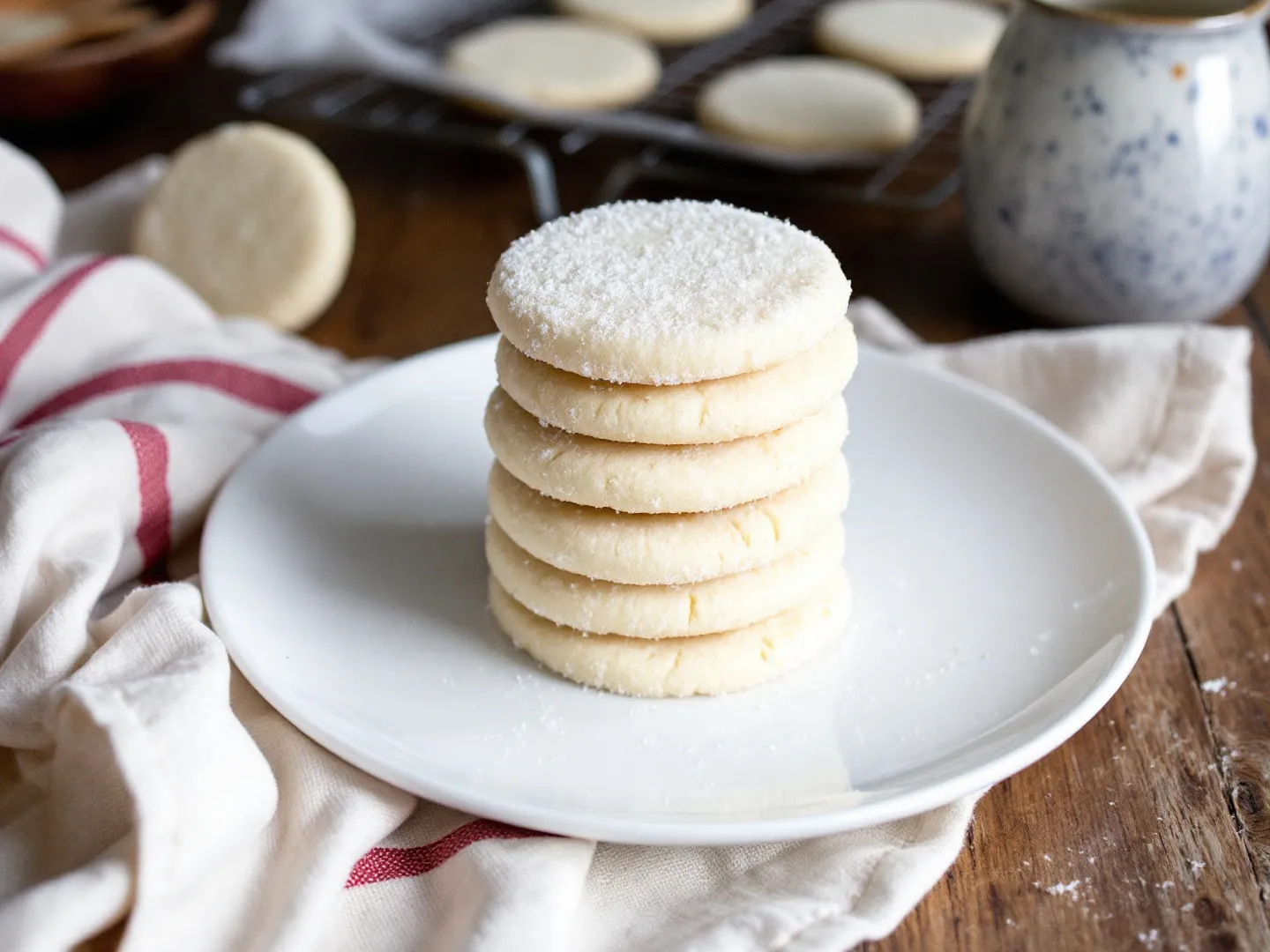
A cup of flour is not a fixed amount. It's a negotiation between you, the bag and how hard you pushed, and the cookies always find out who won.
The short version
Fluff the flour, spoon it into a dry measuring cup until it mounds, and sweep the top flat with the back of a knife. Never scoop straight from the bag, which packs in up to a quarter more. Better still, weigh it. A cup of all-purpose flour is about 125 grams.
Why it matters so much
Flour is the skeleton of a baked good. Too little and cookies spread into puddles and cakes sink. Too much, and that's the far more common mistake, gives you dry cake, cookies that stay in tight domes, biscuits like hockey pucks and bread dough you can barely knead.
The trouble is that flour compresses. Push a measuring cup into a full bag and you pack it, so the same cup can hold anywhere from about 120 to 160 grams depending on the day, the bag and your wrist. That's up to 30 percent more flour than the recipe was built for, from one innocent scoop. Do that three times in a cake and you've added most of an extra cup.
The spoon-and-level method, step by step
- Stir the flour in its bag or canister with a spoon or whisk to loosen it. Flour settles during shipping and storage.
- Use a dry measuring cup, the kind with a flat rim. A glass cup with a spout is for liquids and can't be leveled.
- Spoon the flour lightly into the cup until it mounds over the top. Don't tap the cup, shake it or press the flour down. Every tap settles it.
- Run the flat back of a knife or a bench scraper across the rim to sweep off the excess, back into the bag.
- For tablespoons and teaspoons, dip and sweep. The amounts are too small for packing to matter.
Why a scale wins
A gram is a gram. A kitchen scale takes the guesswork out completely, and it's faster: set the bowl on the scale, press tare (zero), and pour flour in until you hit the number. Press tare again and add the sugar to the same bowl. Fewer cups to wash, and your cookies come out the same every time.
A basic digital scale that reads in 1-gram steps costs about what you'd spend on two bags of good chocolate chips. If a recipe gives weights, use them. If it gives only cups, use the chart below to convert, or spoon and level and you'll be close.
How much a cup weighs
| Ingredient | Grams per cup (spooned and leveled) | How to measure by volume |
|---|---|---|
| All-purpose flour | 125 | Spoon and level |
| Bread flour | 130 | Spoon and level |
| Cake flour | 115 | Spoon and level, sifting first if the recipe says sifted |
| Whole wheat flour | 120 | Spoon and level |
| Granulated sugar | 200 | Scoop and level. Sugar doesn't compress much. |
| Brown sugar (light or dark) | 215 | Press firmly into the cup until it holds its shape when turned out |
| Powdered sugar | 120 | Spoon and level. Sift after measuring if it's lumpy. |
| Cocoa powder | 85 | Spoon and level |
| Rolled oats | 90 | Scoop and level |
| Butter | 227 | Two sticks. Use the wrapper marks, 14 grams per tablespoon. |
Sifted, packed and other recipe words
Read the order of the words. "1 cup sifted flour" means sift first, then spoon into the cup and level, which gives you less flour. "1 cup flour, sifted" means measure first, then sift. With a scale the difference disappears, which is one more reason to own one.
"Packed" only belongs to brown sugar (and sometimes fresh herbs). Its moisture makes it hold air in big pockets, so you press it down to get a true cup. Never pack flour.
"Heaping" and "scant" mean a little over and a little under. A heaping cup of flour is a rounded mound; a scant cup stops a few millimeters below the rim.
Common mistakes
- Scooping straight from the bag. The most common reason cookies come out dry and cakes come out dense. Spoon it in instead.
- Tapping the cup to level it. It settles the flour and adds weight. Sweep with a flat edge.
- Measuring flour in a liquid cup. You can't level it, so you guess. Dry cups for dry, spouted cups for liquid.
- Packing brown sugar loosely, or flour tightly. It's the other way around.
- Forgetting to tare the scale. Zero it with the empty bowl on top, and again after each ingredient.
- Adding extra flour to a sticky dough out of nerves. Soft dough is often right. Add more only a tablespoon at a time, and only when the recipe says the dough should not be sticky.
Where it shows up most
Cookies and cakes are where measuring pays off fastest. soft sugar cookies rolled in sugar spread just right at 125 grams a cup, and brown butter chocolate chip cookies keep their chewy middles instead of baking into tall, dry mounds. buttermilk yellow layer cake and classic pound cake with lemon zest stay moist and level. Biscuits like flaky buttermilk biscuits rise tall when the flour is light, and brown butter banana bread and bakery-style blueberry muffins with lemon stay tender instead of turning bready.
Questions, answered
How many grams are in a cup of all-purpose flour?
About 125 grams when spooned and leveled. Scooped straight from the bag, it can be 140 to 160 grams, which is enough to change the result.
Should I sift flour before measuring?
Only if the recipe says "sifted flour" with the word sifted first. Otherwise just stir it to loosen, then spoon and level. Most modern flour doesn't need sifting for lumps.
Is spoon and level as accurate as a scale?
It's close, usually within 5 to 10 grams a cup. A scale is exact and faster, and it saves washing the measuring cups.
Why are my cookies dry and cakey?
Most often too much flour from scooping. Try spooning and leveling, or weigh 125 grams per cup, and the cookies will spread and stay chewy.
Published November 9, 2026.